Seeds of Hope
RainforestECO – Regeneration & Youth Impact
FRED talk > TED talk – I’m Talking to YOU about Replanting a Degraded Rainforest
TED talks are my absolute favorite form of edutainment, so when I was invited to speak at a Los Angeles Fred Talk in December, I was one happy Brazilian!

FRED is a TED with Friends. And good food. And sometimes some dogs that you can pet.
Since the event took place on 12.12.12, an important date for those following the Mayan Calendar events, I spoke about “Music for the End Days of the Mayan Calendar.” In a room full of 100+ new Friends, I offered everyone a chance to support the “end days” of greed, and crowdfund the renewal of a rainforest. Passing a hat, we raised enough to plant 20 trees that night.
To hear the 9 minute FredTalk, just click on the picture above or use this link.
Thanks for listening and for sharing this post with your Facebook friends!
Rainforest Action Network’s Rebecca Tarbotton Speaks with David Suzuki about Winning and Losing
With deepest respect and admiration for Rainforest Action Network’s Director, Rebecca Tarbotton, who met with an unexpected end far before any of us were ready to let her go, I want to share this inspiring video. Please, watch it all the way to the end for the GOOD NEWS that emerges.
A BIG LOSS
She processes the emotion of an unexpected conversation with David Suzuki, who solemnly tells her we’ve already lost the battle against human induced climate change. As hard as it is to fathom, many of us know it’s true, so now the question becomes what we can do to lessen the negative effects on our present and future generations.
A BIG WIN
Then she gets the news of Disney’s response to RAN’s eight month long campaign to stop using Indonesian rainforest sourced paper. The Disney deal, as the largest publisher of children’s books on the planet, is the most impactful win for the rainforest conservation movement that has ever occurred.
And it is Rebecca’s legacy to present and future generations. This Earth Angel’s sustained energy, enthusiasm, wisdom and zeal brought about a miracle that will have unimaginable positive ripple effects.
Deep Peace Rebecca. Deep Peace.
Synchronicity + Innovation + Joy = SINAL
What happens when Synchronicity, Innovation and Joy meet?
SINAL stands for Synchronicity (Sincronismo in Portuguese), Innovation (Inovação) and Joy (Alegria). It’s a living laboratory nestled within the Atlantic Rainforest less than hour outside of the city of Rio de Janeiro. And based upon how my mind and body responded after a month of post Rio+20 field research in Brazil, this experiment in well-being is working. The life force that had been sucked out of me by bad news has been replenished.

In my last posts you read of the disillusionment I’d felt while working to create sustainability for organic reforestation of our beloved Mata Atlantica. Here I found a place to dig in, literally, whole-heartedly, and be nourished by like-minded people and organic produce from the food forest. A typical lunch would offer a delicious pot of feijão (black beans), with mountains of bananas, oranges, avocados (with optional raw sugar sprinkles – yes please), chocolate nibs, coconuts and sugar cane for dessert! Had they been in season, we would have had mangos too. Paradise.


Alongside of founder Thais Corral, (one of the most connected women I know), I met with volunteers from Chile, Argentina, Columbia and the US who came to help establish the organic gardens, and ease into permaculture agroforestry. Everyone’s input, experience and research was respected.
Just as seeds were about to be planted in one of the areas recently cleared of bananas (which were laboriously being moved to a different area, a bit farther from the community dwellings), I put in my two cents worth about checking to see who owned the seed companies they came from. Were they GMO seeds? Chemically treated in any way? We started reading the very fine print.

One of the volunteers spent the better part of a day online to find out who owned the seed companies, and whatever he could learn about their history. Absolutely fascinating – will be posting his findings soon. We discovered that only one of the companies whose envelopes we held in our hands was relatively clean, separated all the others for a ritual disposal ceremony, and ordered organic, non-hybrid seeds from a supplier online.
If you too need to renew your hope, and are willing to offer your skills to the process of creating a better future, I can’t think of a better place to do it.
Here is their current call to action:
SINAL is currently looking for volunteers who can help as we develop our facilities with systems and practices that will minimize our environmental footprint. Our vision is to contribute to the knowledge of how we, as humanity, can make our transition towards environmental sustainability by simultaneously improving the qualities of our own lives and of our communities. For us, innovation happens when things are implemented in a certain way.
Located 45 minutes outside of Rio de Janeiro in the heart of a lush Mata Atlantica ecosystem (of which only 7% remains), Sinal do Vale is a space where people and group retreats develop skills, methods, and technologies, that can will improve social and environmental conditions whilst also building resilience to climate change.
Volunteers play a key role at Sinal and have the opportunity to engage in a wide range of activities including, but not limited to:
Vegetable Garden: The vegetable gardens are in their early stages and volunteers will help in the process of creating organic produce. Activities include creation of harvestable gardens, clearing land for future gardens, garden maintenance and general upkeep.
Sinal do Vale Beautification: Beautifying the Houses and grounds of Sinal do Vale
Fruit Harvesting: Identifying fruit trees, harvesting ripe fruit, identifying fruit that will become ripe.
Agroforestry: We are in the process of building a agroforestry component into our work at Sinal. We are looking for volunteers who have experience identifying, mapping, and cataloging Mata Atlantica species.
We believe that in order to be involved with SINAL our volunteers need to have a drive for social change and an understanding of low-income communities’ issues within developing countries. Additionally we require you to be self-motivated, be able to work both independently and as part of a team – whilst also being able to work on your own initiative when needed. Good communication and personal skills are also a requirement.
In return for the volunteer’s hard work we offer food and accommodation. Special diets and needs should be pre-arranged by the volunteers.
To apply please e-mail your CV and a brief cover letter in which you describe why you want to come to help SINAL and what qualities you contribute to the project .
Send to sinalvolunteeringATgmailDOTcom. Please state in the subject line: SINAL volunteer 2012.
For more info about SINAL find them on FaceBook: www.facebook.com/SinalVolunteers.
For more photos: www.flickr.com/people/sinalvolunteering
2017 UPDATE: Please consider supporting the organic reforestation process by making a donation to ECOfloresta through our fiscal sponsor!

1992-2012 Climate Change Timeline from Rio+20 Glob-All Poster Exhibit
When I toured the Glob-All Poster exhibit created to commemorate the Rio+20 Earth Summit, I really expected to find more heart. But it seems the designers hadn’t really allowed the information they were supposed to be touching us with, into their own hearts. It hadn’t sunken into their depths beyond words, abstract concepts, and colors. For me, there was only one piece that even came close to telling the story, by Brazilian designer Christiano Menzes.

What did strike me most powerfully, was the timeline created, showing the main events of the last 20 years, between the original Rio Earth Summit and the present. Let me summarize the events they listed, with the one illustration that REALLY stood out for me, as an American citizen: The Twin Towers.
1992 – UN Conference on Environment and Development gathers 108 heads of state, resulting in approval of: the Rio Declaration on Environment and Development; the Forest Principles; The Adgenda 21; the United Nations Framework Convention on Climate Change (UNFCCC); the United Nations Convention to Combat Desertification.
1995 – In the first UNCCC Conference of Parties (COP1), scientists concluded that [carbon] emmissions generated by human activity were a contributing factor to global warming.
1997 – The adoption of the Kyoto Protocol, intended to reduce greenhouse gas emissions, is negotiated during the third UNCCC Conference of Parties (COP3) in Kyoto, Japan.
1998 – The hottest year in recorded history, temps up to .6C higher than the world’s average of 14C
1999 – Kyoto Protocol is ratified. Developed countries that signed the treaty committed themselves to reducing greenhouse gas emissions to at least 5.2% below 1990 levels between 2008 and 2012.
2000 – In one of the greatest enviromental accidents ever recorded in Brazil, 340 thousand gallons of oil were released from a Petrobras refinery into the Guanabara Bay, causing vast environmental damage in the area.
– The UN Milennium Assembly assembled in New York, establishing eight sustainable development goals such as eradicating extreme poverty and hunger, and guaranteeing environmental systainability among others.

2001 – George W. Bush, then President of the United States decides not to implement the Kyoto Protocol, signed by his predecessor Bill Clinton, alleging it would undermine the economic interests of the country.
– On September 11, the terrorist attacks on the World Trade Center and the Pentagon end up dominating the international debate, pushing socio-environmental themes to the background.
2002 – The Rio+10 World Summit in Johannesburg, South Africa approves a plan to implement the commitments made during the Rio Summit, such as the Agenda 21 – a transitional program aimed at achieving sustainable development.
2004 – The increasing incidence of slash and burn techniques in the Amazon places Brazil among the top 10 carbon dioxide emitters on the planet, along with other great polluters such as the United States, China, Russia and Japan among others.
– For the first time in history, the Nobel Peace Prize is awarded to an environmental activist: Wangari Maathai.
2005 – With the ratification of Russian, one of the top greenhouse gas emitters, the Kyoto Protocol enters into force.
– This year was rated by NASA as one of the five hottest years since the beginning of modern climate recording in the 19th century.
– Hurricane Katrina devastates several cities along the coast of the Mexican Gulf in the US, as a result of global warming.
2006 – Directed by Davis Guggenheim, the documentary film “An Inconvenient Truth”, produced in partnership with former US Vice-President Al Gore, denounced the effects of greenhouse gas emissions on global warming.
2007 – China overtakes the USA as the world’s top producer of carbon dioxide emissions, becoming the number one contributor to the greenhouse effect responsible for global warming.
– The IPCC and Al Gore who promoted the film “An Inconvenient Truth” win the Nobel Peace Prize.
2008 – Brazil announces the National Program of Climate Change. The program sets goals for the energy and transportation sectors, establishing quadrennial goals for the deforestation of the Amazon rainforest.
2009 – COP 15 in Copenhagen fails to reach an agreement for the reduction of emissions after 2012.
2010 – The decade is recorded as the hottest ever recorded, with temperatures .54 C above average temperatures in the 20th Century.
2011 – The World population reaches seven billion people, posing a challenge as to how to explore the planet’s natural resources in a sustainable way.
2012 – Rio+20 is the twentieth anniversary of the first Rio Earth Summit.

Given that timeline of disasterous events, and ignorance of the results of the choices, did we really expect that a powerful new agreement would magically emerge from this anniversary summit?
This is the time for the ants to occupy the picnic. We are the ones, each of us, who must make our own choices about how to respond to these circumstances. We are the ones who can voluntarily reduce our own carbon emissions and vote with our dollars, not to support the polluting companies and countries – and to support those who are engaged in green technologies, and reforesation.
We are the ones who hold the power, if we will only wake up and use it.
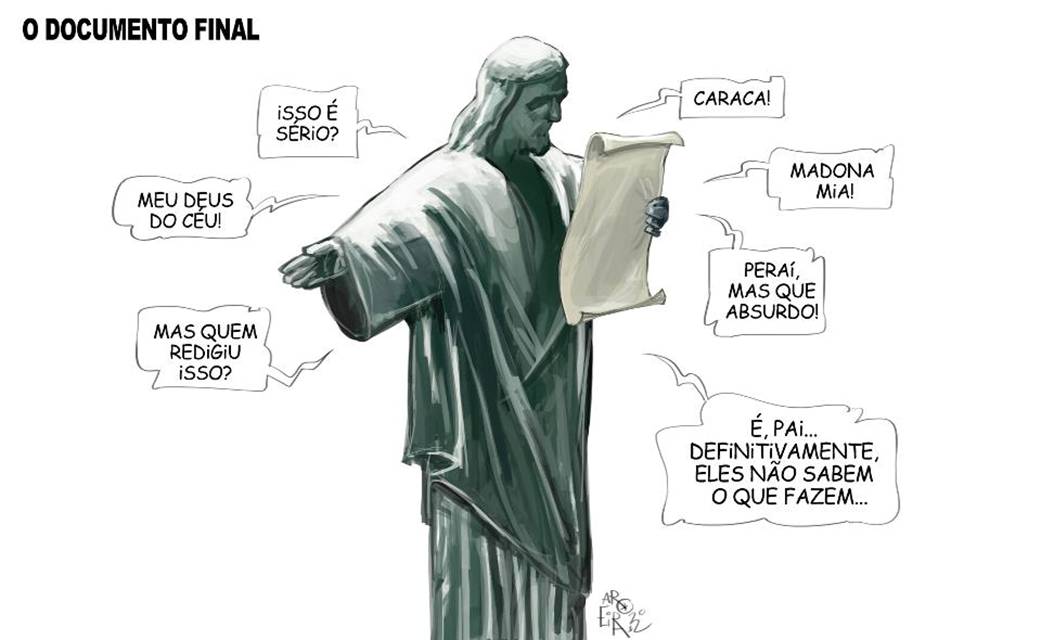
The Unexpected was Expected at #RioPlus20
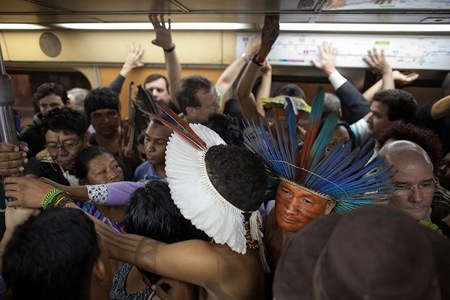
I came to Rio expecting the unexpected to be the best part of the journey. So far, so good.
Since I’m not able to collect credentials for entry to the UN event that were kindly offered to me by WiserEarth until Friday morning, my first trip to Rio Centro, was a near miss. That is, until I stepped off of the City bus, and asked a passerby for directions into the event. He just happened to be a journalist for Ethical Markets, whose founder, Hazel Henderson, was corresponding with me last week. While we walked a mile together, I told him the stories I’ve been wanting someone ELSE to tell (about chemical companies and Big International NGOs in Brazil) about what’s happening in the state of Sao Paulo. We’ll follow up next week, and he’s already made a great introduction for our project.
I had intended to listen to the talk of a new colleague, Yara Valverde – a biologist, ex-president of Rio’s IEF (Instituto Estadual de Florestas), about reforestation in Mata Atlantica. That was the missed appointment due to my missing credentials. But kind Brazilian guards prevailed. They got me inside the venue far enough to see a vast trade show like exhibit, and welcomed the opportunity to improve my Portuguese pronunciation! Shall catch up with Yara tomorrow, and surely will be writing about her work in the days ahead.
During the bus ride out of the enormous venue on a shuttle, a traditionally dressed woman from Senegal sat with me. We chatted in French all the way back to Barra de Tijuca, about her heart’s desire to start a reforestation project there. People are hungry, the land is parched, and she wants to plant a food forest. I just made an introduction for her, to WeForest, who I hope can help her get it started. Meeting Marieme was one of the richest gifts of my day.
And, I’m noticing that the part of my brain that loves languages seems to be flourishing more than the part of my brain that writes in English today. So I’m not sure what’s coming out right now, just wanted to be sure and make a post about June 21, 2012 at Rio+20.
June 22 – Hilary Clinton arrives. The highest hope many of us hold, is that she will take the position that the US must #EndFossilFuelSubsidies. That would be a miracle, and I do believe we’re due for at least one coming out of this summit.
Boa Noite.
Photo credit: The Guardian – Felipe Dana/AP
Severn Cullis Suzuki Calls Climate Change a Crime
Severn Cullis Suzuki was the most memorable voice at the original Rio Earth Summit in 1992. Now a youth advocate for intergenerational justice, she says climate change is a crime.
“Lifting human consciousness to become champions for a world that will survive” is her call to action.
I’m in. Are you?

Severn Suzuki Speaking at Rio Earth Summit in 1992
Sustainable Development – Returning to Rio in 2012
I’m Packing for the Rio+20 Earth Summit
Since I’ve begun packing for my next trip to Brazil, thought I’d do a quick test post from my phone, to wordpress, to changents, to facebook, to twitter and linked in!
If this works, this will be the easiest way for me to blog from Rio+20.
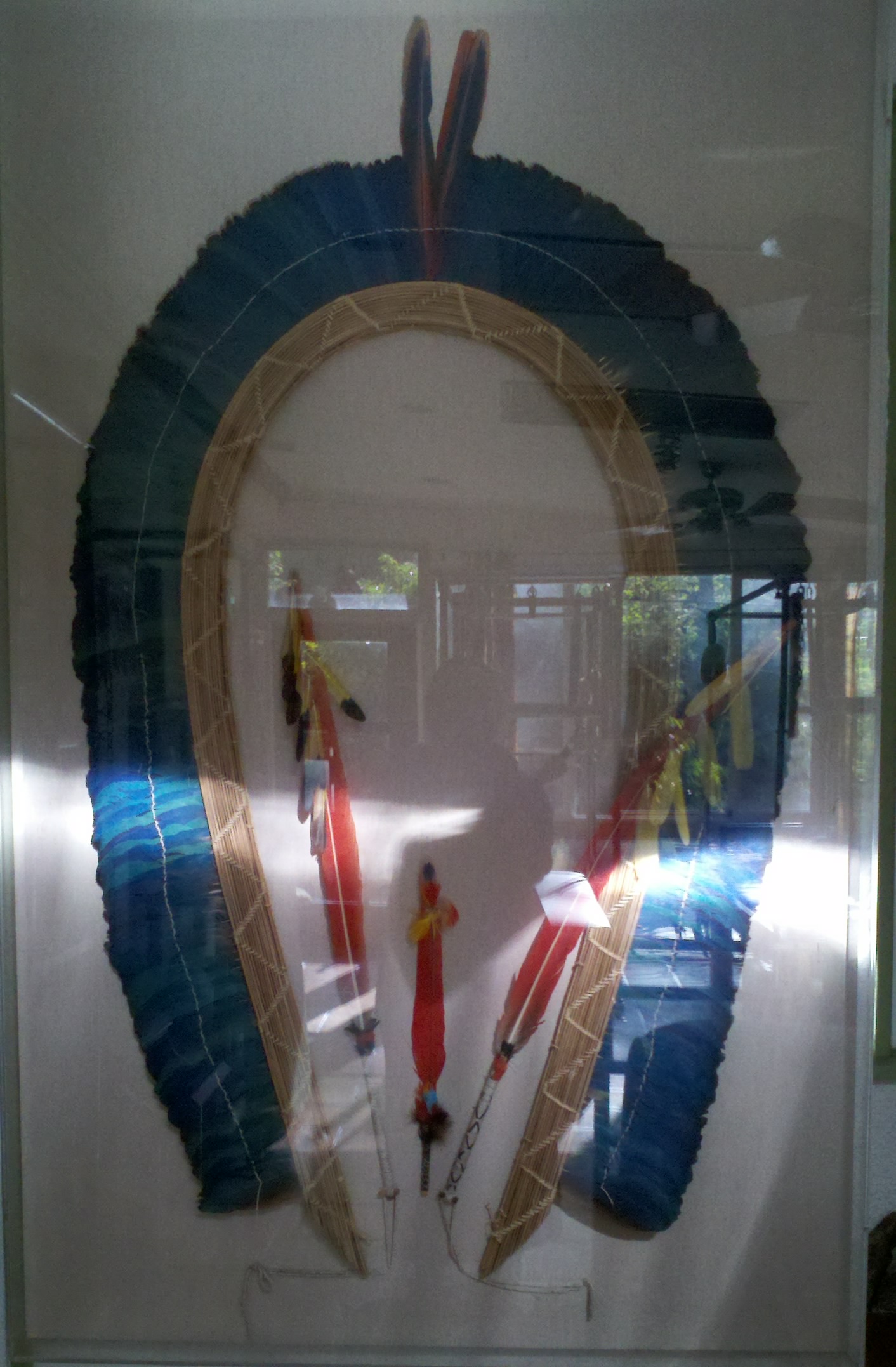
2011 Environmental Award Winner André Villas-Bôas

Kayapó women use body paint to mimic animal markings,
believing it brings them closer to the spirit world.
The weapon, wielded by an angry Kayapó warrior, was aimed at an engineer who had just given a presentation defending a massive dam project that the Indians feared would destroy their villages. Villas-Bôas had leapt from his chair in an attempt to shield the engineer from machete blows, but it was too late to prevent bloodshed. The other tribesmen were already upon them. Screams echoed through the cavernous gymnasium in the dusty frontier town of Altamira, as one of the bare-chested Indians ripped the engineer’s neatly ironed shirt off his back, and another pushed him to the floor. The angry mob struck him with their war clubs and machetes. “Don’t do this,” Villas-Bôas shouted, his palms outstretched as he pushed into the scrum. “This will be very bad for you!”
As one of the founders of the leading Brazilian environmental and indigenous rights organization Instituto Socioambiental (ISA), Villas-Bôas had played a key role in organizing that day’s protest against the Belo Monte hydroelectric plant, an 11,000-megawatt dam that would be the world’s third largest. The demonstration had attracted several thousand people to protest a project many feared would have disastrous consequences for the Xingu River, the Amazon’s largest tributary and a vital source of food and water for the thousands of indigenous people who live along it. But now the situation was degenerating into just the kind of violent fiasco Villas Bôas had spent his career working to avoid.
Read full article:
2011 Environmental Award Winner André Villas-Bôas : News & Features : Conde Nast Traveler.
Yes! YES!
I LOVE it that despite all odds, we’ve created a new system that’s going to benefit people and organizations from all walks of life, to be independent, organic, fair and do something that gives back to the earth…
And we are just beginning. We can expect great things for 2012 as long as we keep this up….
Here are some pictures I hadn’t had time to post yet, from some of the people who received trees, thanks to YOUR generosity, in 2011.


Check out www.iGiveTrees.com.
How about we all decide to thrive instead of just survive? It’s the most revolutionary thing we can do at this point in our story!
HAPPY NEW YEAR!!!